
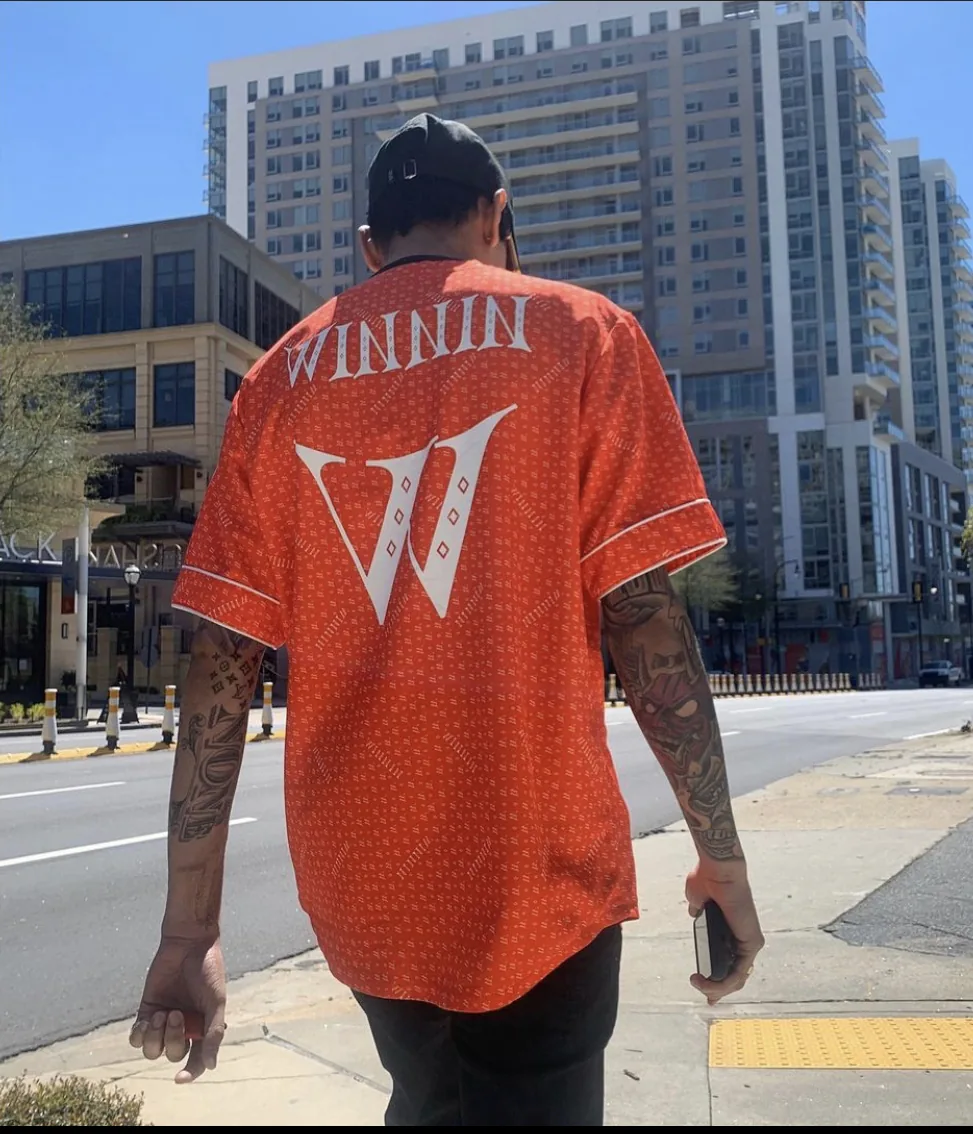
For Nehemiah Wilcots, fashion did not begin with a business plan. It began with observation.
As a child, Wilcots spent hours in department stores with his mother. While she shopped, he absorbed the environment—the clothes, the displays, the jewelry, the presentation, the feeling of value before he had language for branding, merchandising or creative direction.
His father was a business owner. His mother was a serious consumer. Both of his parents loved jewelry. Luxury, commerce and presentation existed around him early, and over time those influences became inseparable from his own creative instincts.
“I didn’t know to call it creative direction or product development,” he says. “I just knew I wanted to make things and tell stories through them.”
THE FIRST SYMBOL
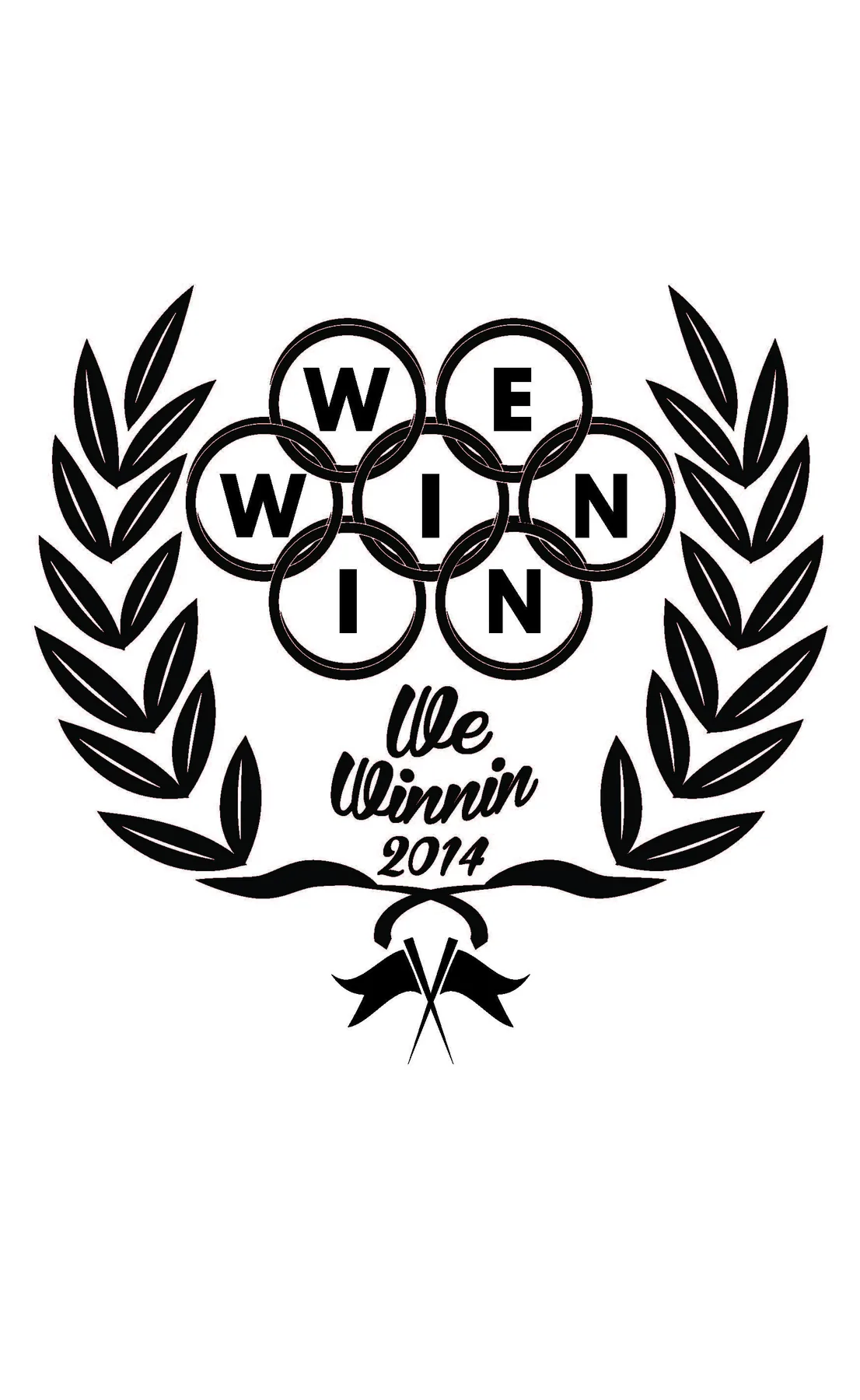
One of the first pieces Wilcots remembers creating was an Olympic hoodie.
The symbolism was immediate. The Olympics represented winning, aspiration and the idea that people from different backgrounds could arrive on the same stage and compete at the highest level. For Wilcots, the concept connected directly to the identity he was beginning to build around WINNIN.
“I felt like I was living the American Dream at the time—and in many ways, I still do,” he says. “I wanted to represent the winners of America and the youth. The youth will always win.”
That instinct—to turn a personal idea into something other people could see themselves inside—became central to WINNIN.
What began as product gradually became a world.
THE LESSON IN SPEED
For much of his early career, Wilcots believed intensity could compress time.
If enough money was invested, enough work was done and enough energy was applied, the result could be accelerated.
Sometimes it worked.
The effort created momentum, visibility and opportunity. But each time the process moved faster than the foundation beneath it, Wilcots eventually had to return to the parts he had skipped.
“I thought I could rush the process,” he says. “Work ethic took me places, but every time I moved too fast, life eventually made me slow down and understand the part of the process I had skipped.”
That realization has become one of the principles guiding his work now:
Speed does not replace development.
BUILDING BEYOND PRODUCT
Today, Wilcots describes himself first as a creative director and product developer.
The distinction matters.
WINNIN remains a fashion and product expression, but the years spent developing the brand revealed a broader ability: seeing how product, narrative, marketing, imagery, talent, events and commerce can operate as one system.
Private Reserve grew out of that realization.
The creative agency is designed to help other brands and creatives develop stories through products, media, campaigns, experiences and commercial opportunities.
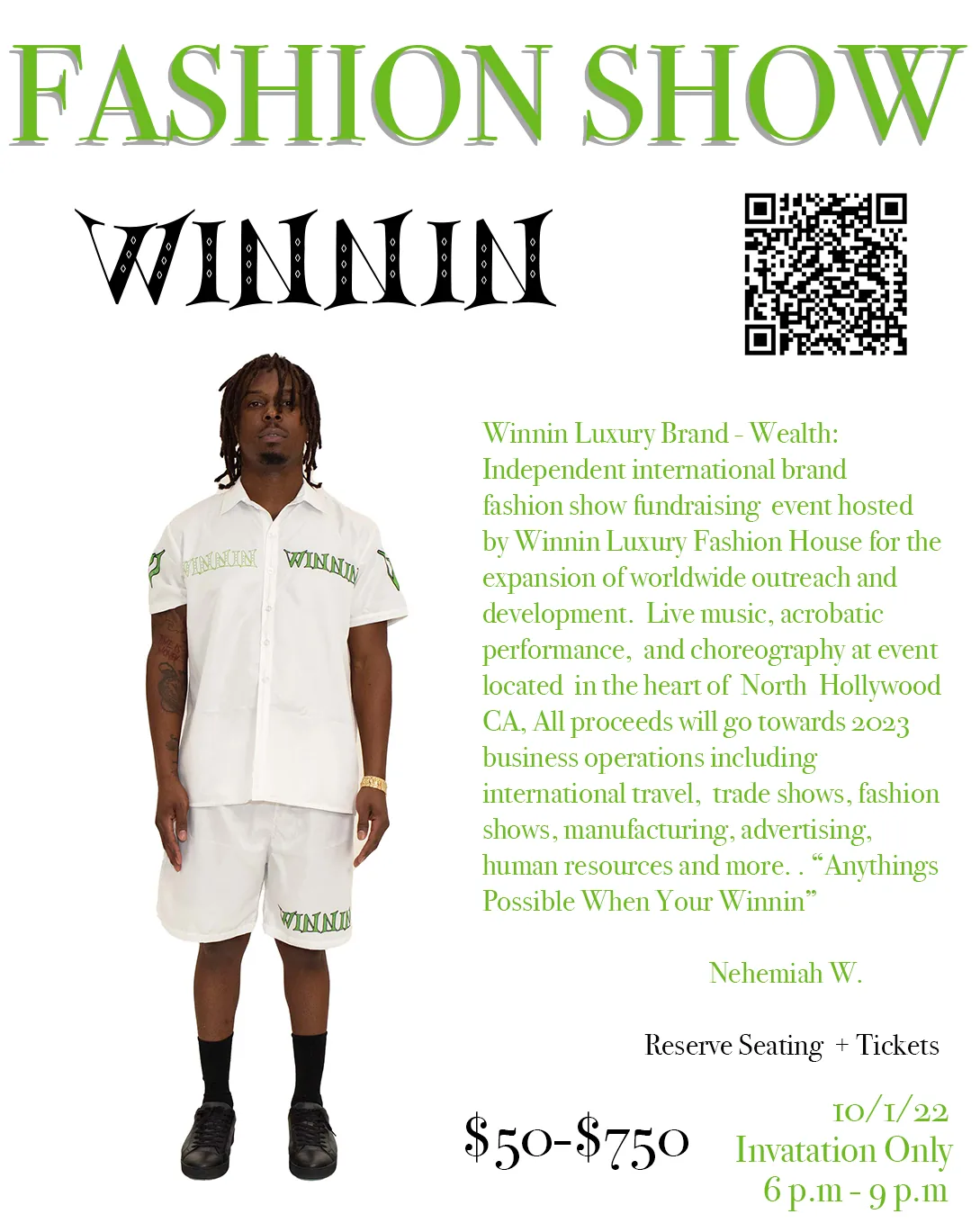
Wilcots is currently developing Private Reserve’s debut independent fashion experience in Los Angeles.
But he is careful not to describe the show as the destination.
It is proof of concept.
A single environment where designers, models, buyers, media, production, storytelling and commerce can operate at the same time.
WHY “PRIVATE RESERVE”
The name reflects Wilcots’ changing relationship with creation.
A private reserve is something intentionally set aside for a purpose.
That idea has become increasingly important to him in an era where product and content can be generated almost continuously.
“People make things because they can make them,” he says. “More clothes, more content, more events, more posts. But why?”
Private Reserve begins with a different question:
Why does this deserve to exist?
The agency is intended to identify people, products and ideas with something meaningful underneath them, then build the context necessary for others to understand their value.
THE FEELING OF CARE
Wilcots does not describe the desired reaction to his work in terms of status or hype.
He uses a simpler word: love.
Not sentimentality. Evidence of care.
He wants someone encountering a garment, campaign or physical space to recognize that decisions were made deliberately.
The casting mattered.
The typography mattered.
The music mattered.
The packaging mattered.
The product mattered.
“I put my heart into these projects,” he says. “I want you to feel that somebody cared without me having to explain it.”
That philosophy also informs his definition of luxury.
For Wilcots, luxury is not synonymous with price.
It is intention.
It can appear through material, craftsmanship, scarcity, presentation, service and environment—but also through time.
“Sometimes the most luxurious thing you can do is refuse to rush.”
EXPENSIVE IS A NUMBER
Wilcots is increasingly interested in the distinction between the appearance of luxury and actual value.
A brand can reproduce the visual codes associated with luxury. It can raise its prices, change its typography, manufacture scarcity or shoot a campaign in the right environment.
None of those decisions automatically create substance.
“Expensive is a number,” Wilcots says. “Value is what remains after somebody pays the number.”
It is also why he rejects the idea that fashion must choose between art and commerce.
For him, fashion is simultaneously art, culture and business.
Ignoring commerce does not automatically make the work more artistic. Pursuing commerce does not automatically eliminate cultural significance.
The challenge is creating a system where each can strengthen the others.
THE INFRASTRUCTURE BEHIND THE VISION
That challenge has become increasingly important as Wilcots’ ambitions have expanded.
One of the hardest lessons has been discovering that vision and infrastructure are different things.
“I’ve had ideas bigger than my resources,” he says. “I’ve had inventory without the right distribution. Opportunities without enough infrastructure. Moments where things were moving extremely fast and moments where I had to rebuild.”
Those experiences altered his priorities.
The objective is no longer simply to create a successful moment.
It is to build systems capable of surviving after the moment ends.
THE WILCOTS ECOSYSTEM
The architecture emerging around Wilcots now reflects that thinking.
Wilcots Group functions as the institutional company and operating structure.
WeWinnin is the cultural movement—the identity and community around the larger world.
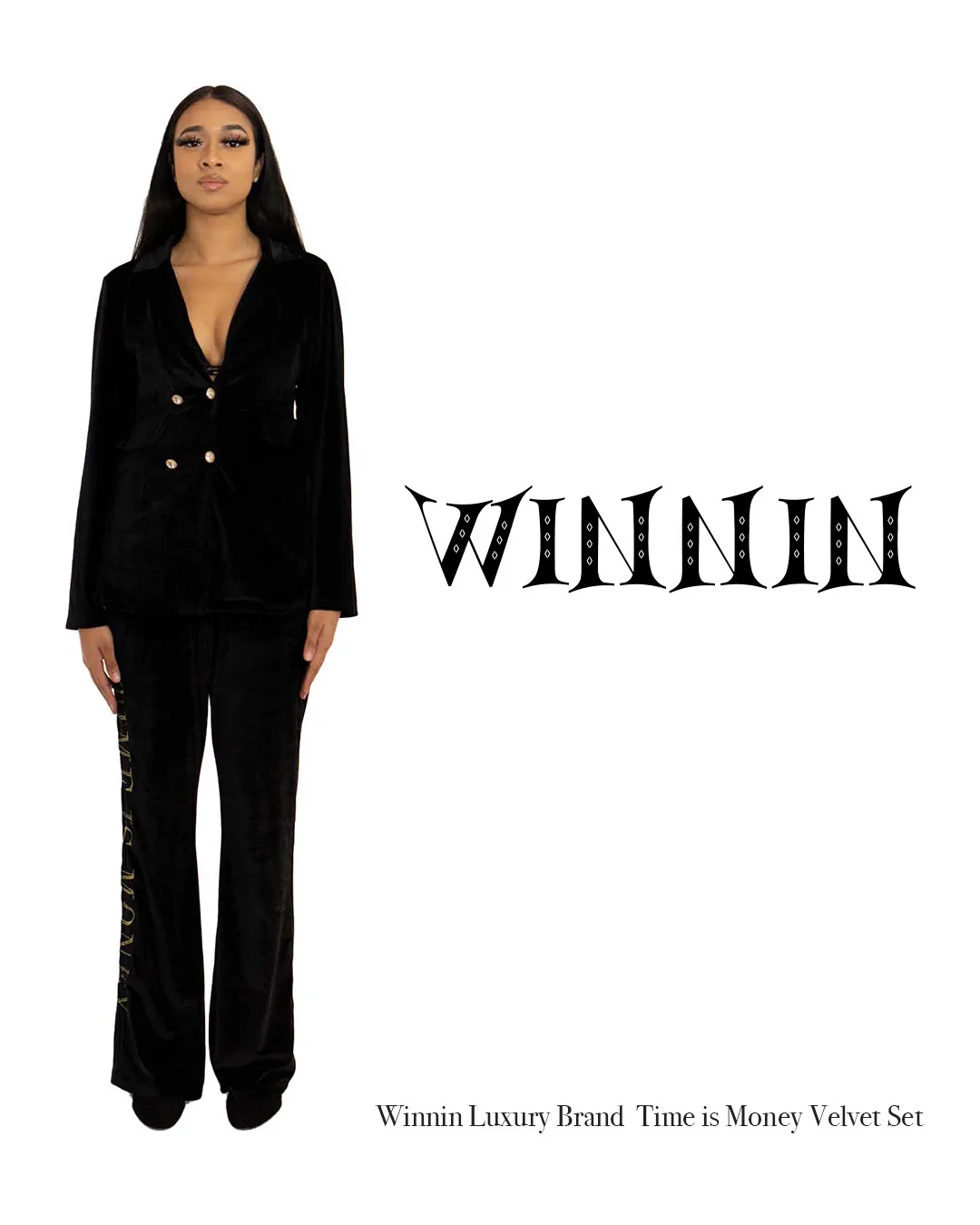
WINNIN remains the fashion and product expression.
WEALTH by Wilcots explores a more private luxury and atelier perspective.
Private Reserve serves as the creative and commercial development house.
The New Standard documents the people, ideas, knowledge and culture encountered through the ecosystem.
APD extends that infrastructure into talent acquisition, development and representation.
To Wilcots, these are not disconnected ventures.
They are different functions inside the same world.
The company builds infrastructure.
The movement creates participation.
The fashion creates physical expression.
The agency develops ideas and opportunities.
The media documents the culture.
The talent operation develops people.
The larger ambition is to allow ideas to move between all of them.
THE NEXT PROOF
The next major test is Private Reserve’s fashion experience.
For Wilcots, the significance is larger than a runway.
The event creates an opportunity to demonstrate how multiple parts of the ecosystem can operate simultaneously and generate value beyond one night.
A designer can participate in a show.
That participation can create content.
The content can generate awareness.
Awareness can create buyer interest.
Buyer interest can become orders.
A relationship discovered through the event can develop into representation, collaboration, media or future product.
The goal is not simply attention.
It is circulation.
Ideas moving through a system and creating new opportunities as they travel.
RELATIONSHIPS AS INFRASTRUCTURE
When asked what could most meaningfully change the trajectory of the next year, Wilcots does not begin with money.
He begins with relationships.
Capital matters.
Distribution matters.
Customers matter.
But the right relationship can create access to all three.
His current focus is therefore less about entering every room and more about understanding which rooms matter—and what value he can create once he enters them.
The ambition is compounding relationships rather than isolated transactions.
FROM BRAND TO INSTITUTION
If everything works, Wilcots does not want the final result described simply as a clothing company.
Nor does he want it reduced to an agency or media business.
He wants to build an institution.
An ecosystem where an idea can move from concept to product, from product to culture, from culture to commerce, and from commerce back into the creation of the next idea.
Products people keep.
Stories people remember.
Opportunities that change someone’s trajectory.
Infrastructure that allows talented people to build something larger than they could have built alone.
And eventually, a system capable of continuing beyond its founder.
BUILD THE INSTITUTION
Wilcots’ long-term ambition is partly commercial, but it is also generational.
He wants the next generation of creatives to understand that existing institutions do not possess a monopoly on legitimacy.
You do not always have to wait to be invited into one.
You can build one.
It reframes the earliest years of WINNIN.
The clothing brand was important. It created the language, community, products, mistakes, relationships and experiences that made everything after it possible.
But it was never the entire idea.
“WINNIN was never the final destination,” Wilcots says.
“It was the proof of concept.”